Car shipping scams cost consumers millions of dollars every year, and the most common tactics include unrealistically low quotes, large upfront deposits, fake carrier identities, and hostage loads where the price jumps after your vehicle is on the trailer. Here's how to protect yourself.
TL;DR
- If a quote seems too good to be true, it is
- Never pay more than a small deposit upfront (legitimate companies collect on delivery)
- Verify every carrier's FMCSA registration and insurance at safer.fmcsa.dot.gov
- Read recent reviews on Google, BBB, and Transport Reviews
- Get everything in writing: price, pickup window, delivery estimate, insurance details
The Low-Ball Quote Bait and Switch
The most common car shipping scam starts with a quote that's 30-50% below market rate, designed to get your deposit before the price magically increases.
Here's how it works. You request quotes from several companies. Most come back in a reasonable range, say $850 to $1,050 for your specific route. But one company quotes $550. Excited by the savings, you book with them and pay a deposit of $200 to $300.
Then things start to change. A few days before your scheduled pickup, the company calls. "Fuel costs went up." "No carrier will take it at that price." "We need an additional $400 to secure a driver." You're now stuck: your move date is approaching, you've already paid a deposit (which they won't refund), and you either pay the inflated price or start over with a new company and lose your deposit.
This bait-and-switch tactic is the bread and butter of disreputable auto transport brokers. They never intended to ship your car at the quoted price. The low quote was just a tool to collect your deposit. At Bronco Car Hauling, our quotes are based on actual market conditions and real carrier rates. When we give you a number, that's the number.
The Large Upfront Deposit Trap
Legitimate auto transport companies collect the majority of payment at delivery, not at booking. Any company demanding full payment or a large deposit upfront is a red flag.
In the legitimate auto transport industry, the standard payment structure is a small deposit at booking (typically $50 to $200) with the balance paid to the carrier driver at delivery. This structure protects you: if the company doesn't perform, you're out a small deposit, not the entire shipping cost.
Scam operators flip this model. They want $500, $800, or even the full amount upfront. Once they have your money, their motivation to actually ship your vehicle drops to zero. Some collect deposits from dozens of customers simultaneously with no intention of arranging any shipments, then disappear.
Always ask about the payment structure before booking. If a company wants more than 20-25% upfront or insists on full payment before pickup, walk away. That's not how this industry works.
Fake or Unregistered Carriers
Every legitimate auto transport company must be registered with the Federal Motor Carrier Safety Administration (FMCSA) and carry active cargo insurance.
The FMCSA maintains a public database of all registered motor carriers and brokers. You can look up any company at safer.fmcsa.dot.gov using their name, USDOT number, or MC (Motor Carrier) number. A legitimate company will have an active registration, proper operating authority, and current insurance on file.
Scam companies often operate without FMCSA registration or use fake/expired credentials. Some steal the USDOT or MC numbers from legitimate carriers and use them on their website. Always verify by searching the FMCSA database yourself rather than trusting the numbers a company puts on their website.
The Hostage Load Scam
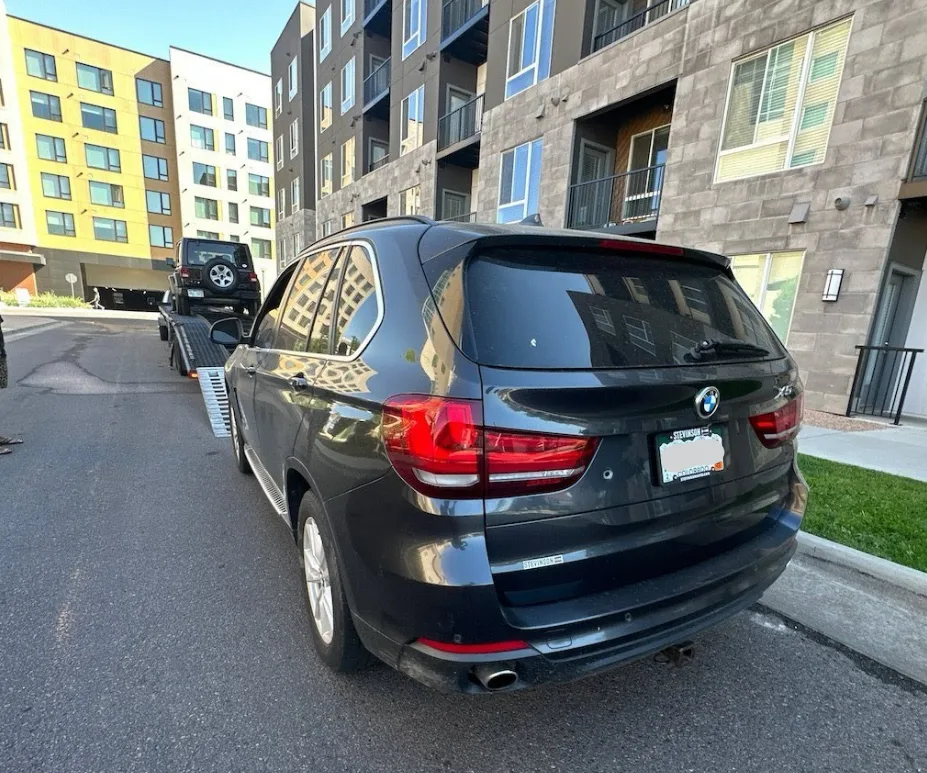
In a hostage load, the carrier picks up your vehicle at the agreed price but then demands more money before they'll deliver it.
This is one of the most stressful scams because the fraudster already has physical possession of your vehicle. It typically plays out like this: the carrier arrives, loads your car, and drives away. A day or two into transit, you get a call. "There's an additional charge of $300 for [fabricated reason]." If you don't pay, they threaten to leave your car at a storage lot in some random city.
Hostage loads are illegal. A carrier cannot change the agreed-upon price after picking up your vehicle. If this happens to you, document everything (calls, texts, voicemails), refuse to pay the inflated amount, and file a complaint with the FMCSA National Consumer Complaint Database. You can also contact local law enforcement, as this may constitute extortion.
The best defense against hostage loads is working with a reputable broker who vets their carriers. At Bronco Car Hauling, every carrier in our network goes through a screening process that includes FMCSA verification, insurance confirmation, and review checks. We've been doing this for 15 years, and we don't dispatch your vehicle with anyone who hasn't earned our trust.
Phantom Carriers and Fake Reviews
Some scam companies exist only on a website and a Google Ads campaign, with fake reviews, stock photos, and no real trucks or drivers.
The barrier to entry for creating a fake auto transport website is alarmingly low. A scammer can set up a professional-looking website in a day, buy fake Google reviews, and start running ads within a week. They answer your call with a professional-sounding script, give you a low quote, collect your deposit, and then either ghost you or scramble to find a real carrier at a much higher rate.
Red flags for phantom carriers include a website with no physical address, reviews that all appeared within a short time period, stock photos instead of real company images, no social media presence, and a domain that was registered very recently. You can check a domain's age at whois.com.
Also look for consistency across platforms. A legitimate company with 498 real reviews (like Bronco Car Hauling) will have presence on Google, the Better Business Bureau, Transport Reviews, and social media. The reviews will span multiple years, mention specific details, and include both positive and occasionally constructive feedback. Perfect 5.0 ratings with no negative reviews at all can actually be a warning sign.
How to Verify a Car Shipping Company
Run through this five-point verification checklist before giving any auto transport company your money or your vehicle.
First, check FMCSA registration. Go to safer.fmcsa.dot.gov and verify the company has active operating authority and current insurance. Second, read reviews on multiple platforms. Check Google, BBB, Transport Reviews, and Trustpilot. Look for patterns in complaints.
Third, verify their physical address. A real company has a real office. Google the address and see if it's a legitimate business location or a P.O. box. Fourth, ask about their payment structure. Legitimate companies collect the balance at delivery, not upfront. Fifth, get everything in writing. A proper contract should include the quoted price, pickup and delivery windows, insurance information, and cancellation policy.
If a company passes all five checks, you're almost certainly dealing with a legitimate operation. If they fail even one, proceed with extreme caution or choose a different provider.
What to Do If You've Been Scammed
File complaints with the FMCSA, FTC, and your state attorney general. Dispute the charge with your credit card company. Document everything.
If you've already fallen victim to a car shipping scam, take action immediately. File a complaint with the FMCSA National Consumer Complaint Database. File a complaint with the FTC at reportfraud.ftc.gov. Contact your state's attorney general office.
If you paid by credit card, initiate a chargeback dispute with your card issuer. This is one of the best protections available to consumers. Credit card companies have strong fraud protection, and if the merchant can't prove they delivered the service, your bank will likely reverse the charge.
Never pay for auto transport with wire transfers, cryptocurrency, gift cards, or cash apps like Zelle or Venmo. These payment methods have little to no fraud protection. A legitimate company will accept credit cards and business checks.
Why Choosing a Local, Established Company Matters
Companies with a physical local presence, years of operating history, and hundreds of verified reviews are your safest bet.
Bronco Car Hauling has been operating out of Colorado since 2011. We have offices across the state, 498 verified reviews with a 4.9-star rating, and 15 years of history that you can verify yourself. Our FMCSA credentials are active and public. Our owner, Aaron Soyer, lives right here in Colorado.
That kind of transparency and track record is exactly what you should look for in any auto transport provider. Scammers can't fake 15 years of business history, hundreds of detailed reviews, and a physical presence in multiple cities. When you work with an established company, you're getting accountability that fly-by-night operations simply can't offer.
Ready to ship with a company you can trust? Get your free quote or call us at 719-249-6543. We're here to answer every question and earn your business the right way.
Last updated: April 1, 2026