Most car shipments across the U.S. cost between $550 and $1,800, with the final price depending on distance, vehicle size, transport type, season, and route popularity. That's a big range, so let's break down exactly what goes into the number you'll see on your quote.
TL;DR
- Short hauls under 500 miles: $550 - $800
- Cross-country (1,000+ miles): $900 - $1,800+
- Open transport is 30-40% cheaper than enclosed
- Summer and January are peak season with higher prices
- Colorado mountain routes cost more due to terrain
Distance Is the Biggest Pricing Factor
The farther your vehicle needs to travel, the more you'll pay, but the per-mile rate actually drops on longer routes.
A 300-mile shipment from Denver to Albuquerque might run $0.90 to $1.20 per mile, putting the total around $270 to $360. But a 1,700-mile shipment from Denver to Miami works out to roughly $0.45 to $0.65 per mile, totaling $765 to $1,105. Carriers can spread their fuel, tolls, and labor costs across more miles on longer routes, which is why the per-mile rate goes down.
Here at Bronco Car Hauling, we run popular routes between Colorado and destinations like Phoenix, Los Angeles, Dallas, and Chicago on a regular basis. Because our carriers travel these corridors frequently, we can often offer better rates than you'd find on less-traveled routes.
Vehicle Size and Weight Matter
Larger, heavier vehicles take up more trailer space and add more weight, which directly increases the shipping cost.
A Honda Civic or Toyota Camry is about as cheap as it gets to ship. These standard sedans are light, low-profile, and easy to load. Expect to pay the baseline rate for your distance. An SUV like a Ford Explorer or Chevy Tahoe will typically add $100 to $200 to that number. Full-size trucks, especially lifted ones, can add $200 to $400 or more because they take up vertical space that could otherwise fit another vehicle.
If you're shipping something oversized like a dually truck, a vehicle with a lift kit, or anything with aftermarket modifications that change the dimensions, let your transport company know upfront. At Bronco Car Hauling, we'll always give you an accurate quote based on your vehicle's actual specs rather than a generic estimate that changes later.
Open vs Enclosed Transport Pricing
Open transport typically costs 30-40% less than enclosed and is the right choice for the vast majority of shipments.
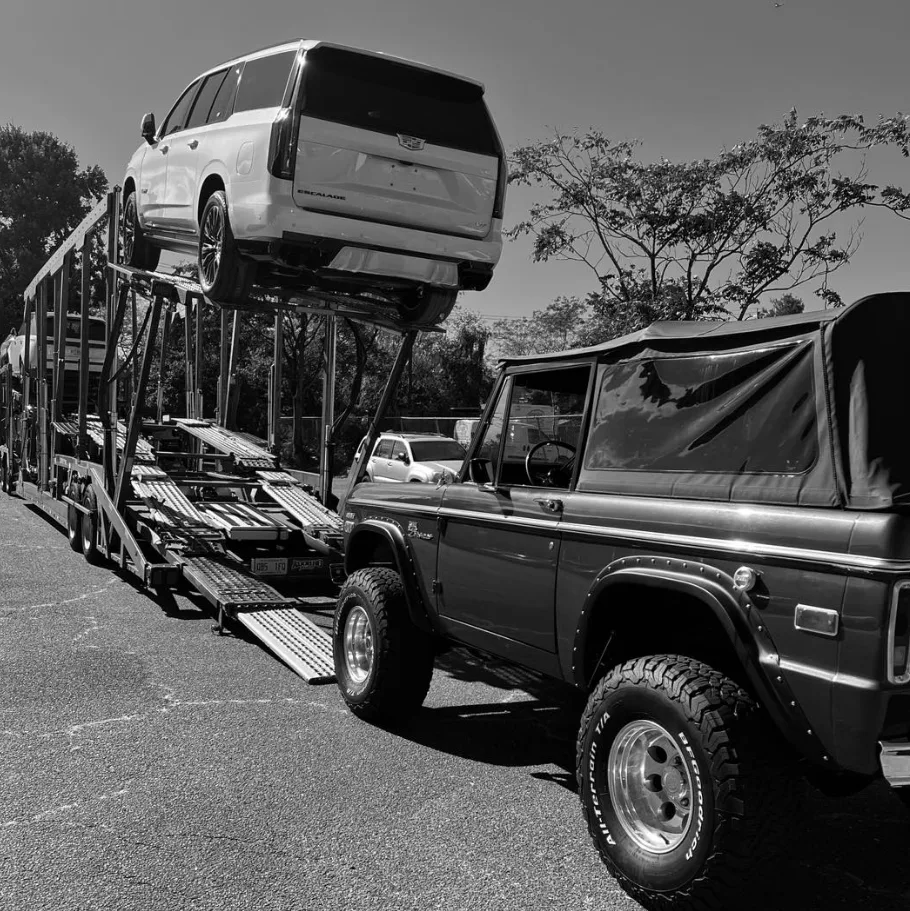
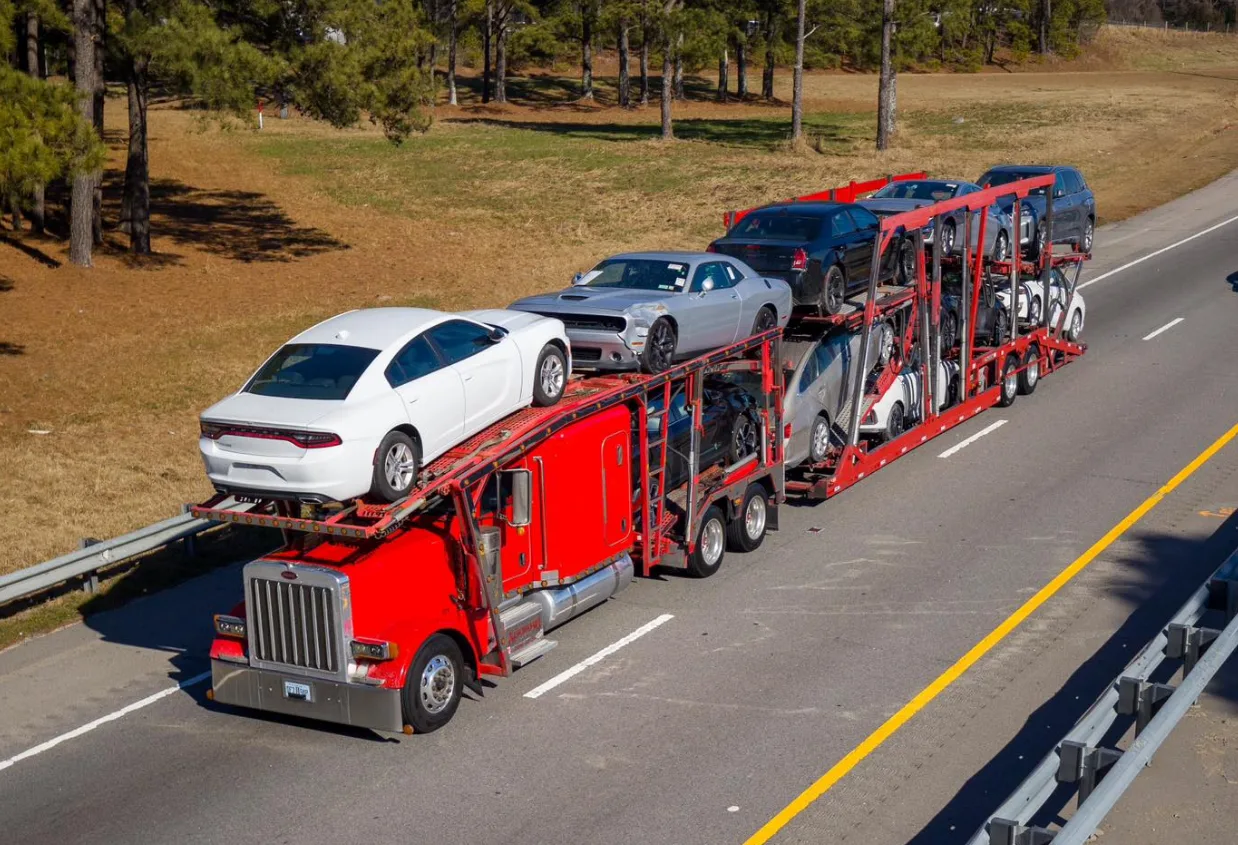
About 85% of all vehicles shipped in the U.S. go on open carriers. These are the multi-car trailers you see on highways carrying 7 to 10 vehicles at a time. They're efficient, widely available, and offer solid protection against the road. Your vehicle is exposed to weather and road spray, but actual damage from these factors is extremely rare.
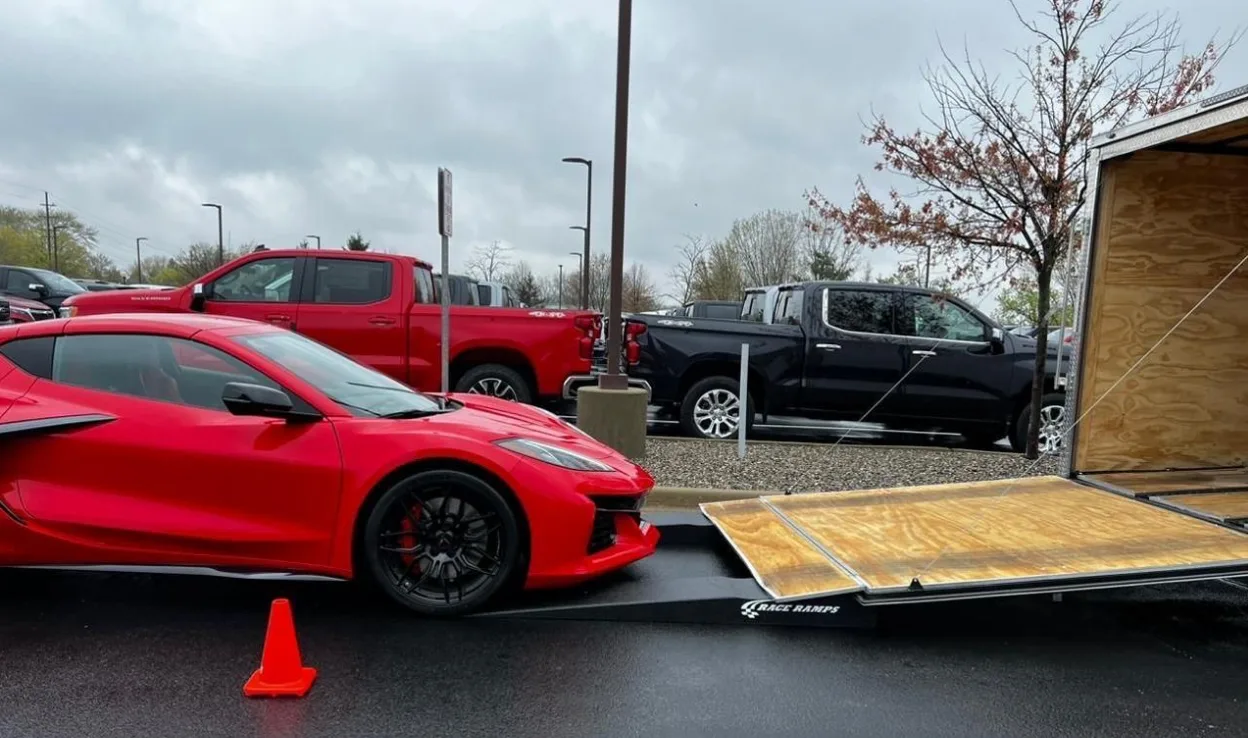
Enclosed transport runs 30-40% more. You're paying for a fully covered trailer, fewer vehicles per load (usually 2 to 6), and additional insurance coverage. It's the right call for luxury cars, classics, exotics, and anything you'd want extra protection for. We offer both options through our service lineup.
Colorado-Specific Pricing Examples
Here are real-world price ranges for the most common routes we run from Colorado, based on open transport for a standard sedan.
| Route | Distance | Open Transport | Enclosed | Transit Time |
|---|---|---|---|---|
| Denver to Phoenix | 600 mi | $650 - $850 | $950 - $1,200 | 2-4 days |
| CO Springs to LA | 1,020 mi | $800 - $1,100 | $1,150 - $1,500 | 3-5 days |
| Denver to Chicago | 1,000 mi | $750 - $1,000 | $1,050 - $1,400 | 3-5 days |
| Colorado to Dallas | 780 mi | $700 - $950 | $1,000 - $1,350 | 3-4 days |
| CO Springs to Miami | 1,900 mi | $950 - $1,350 | $1,400 - $1,850 | 5-7 days |
| Colorado to New York | 1,780 mi | $900 - $1,300 | $1,300 - $1,750 | 5-7 days |
| Denver to Seattle | 1,320 mi | $850 - $1,150 | $1,200 - $1,600 | 4-6 days |
| Pueblo to Albuquerque | 290 mi | $450 - $650 | $700 - $950 | 1-2 days |
These are estimates for 2026 based on current fuel costs and market conditions. Your actual quote may vary based on the specific vehicle, exact pickup and delivery locations, and time of year. Get your free instant quote for an accurate number.
Seasonal Price Swings
Car shipping prices fluctuate throughout the year, with summer and early January being the most expensive periods.
The auto transport industry follows a predictable seasonal pattern. Summer (June through August) is peak season because families are relocating, college students are moving, and snowbirds are heading back north. Prices can jump 15-25% above the annual average during these months.
January also sees a spike, especially on southbound routes. Snowbirds leaving Colorado for Arizona and Florida create huge demand on those corridors. If you can ship in February, March, or October, you'll often get the best rates of the year.
Here in Colorado, we also see increased demand around ski season as people ship vehicles to mountain towns. And spring brings a rush of college students shipping cars home for summer break.
Route Popularity and Carrier Availability
High-traffic corridors between major cities tend to offer lower rates because carriers have more options to fill their trailers efficiently.
The Denver-to-Phoenix route is one of the busiest in the western U.S., so there are always carriers making that run. That competition keeps prices competitive. On the flip side, shipping to a rural area in Montana or a small town in Maine might cost more because carriers have fewer loads to combine on that route.
This is one area where working with an experienced broker like Bronco Car Hauling really pays off. We have relationships with a large network of carriers and can often find better rates on less common routes because we're consolidating shipments. Our 498 reviews speak to that track record.
Additional Costs to Watch For
Watch out for fuel surcharges, expedited shipping fees, and inoperable vehicle charges that can add $75 to $300+ to your base quote.
Most reputable companies include fuel costs in their quote, but some add a separate surcharge. Always ask if the price you're quoted is all-inclusive. If your vehicle doesn't run and can't be driven onto the trailer, expect an inoperable vehicle fee of $75 to $200 because the carrier needs a winch or special equipment to load it.
Need your car there fast? Expedited shipping typically adds 20-30% to the standard rate. Terminal-to-terminal shipping (dropping off and picking up at a carrier's yard) can save $50 to $150 compared to door-to-door service, but the convenience tradeoff usually isn't worth it for most people.
How to Get the Best Price
Book 2-3 weeks in advance, stay flexible on dates, and always compare at least three quotes from licensed carriers.
Last-minute bookings almost always cost more. If you know you need to ship a vehicle, book at least two to three weeks out. This gives carriers time to build efficient loads and pass those savings on to you. Being flexible by a day or two on your pickup window can also save money because it lets the carrier optimize their route.
Always verify that any company you're considering is registered with the FMCSA and has proper insurance. A suspiciously low quote is often a sign of a bait-and-switch operation. We cover this topic in depth in our guide to avoiding car shipping scams.
Ready for an accurate, no-obligation quote? Get your free instant quote or call us at 719-249-6543. We'll give you an honest price with no hidden fees.
Last updated: April 1, 2026